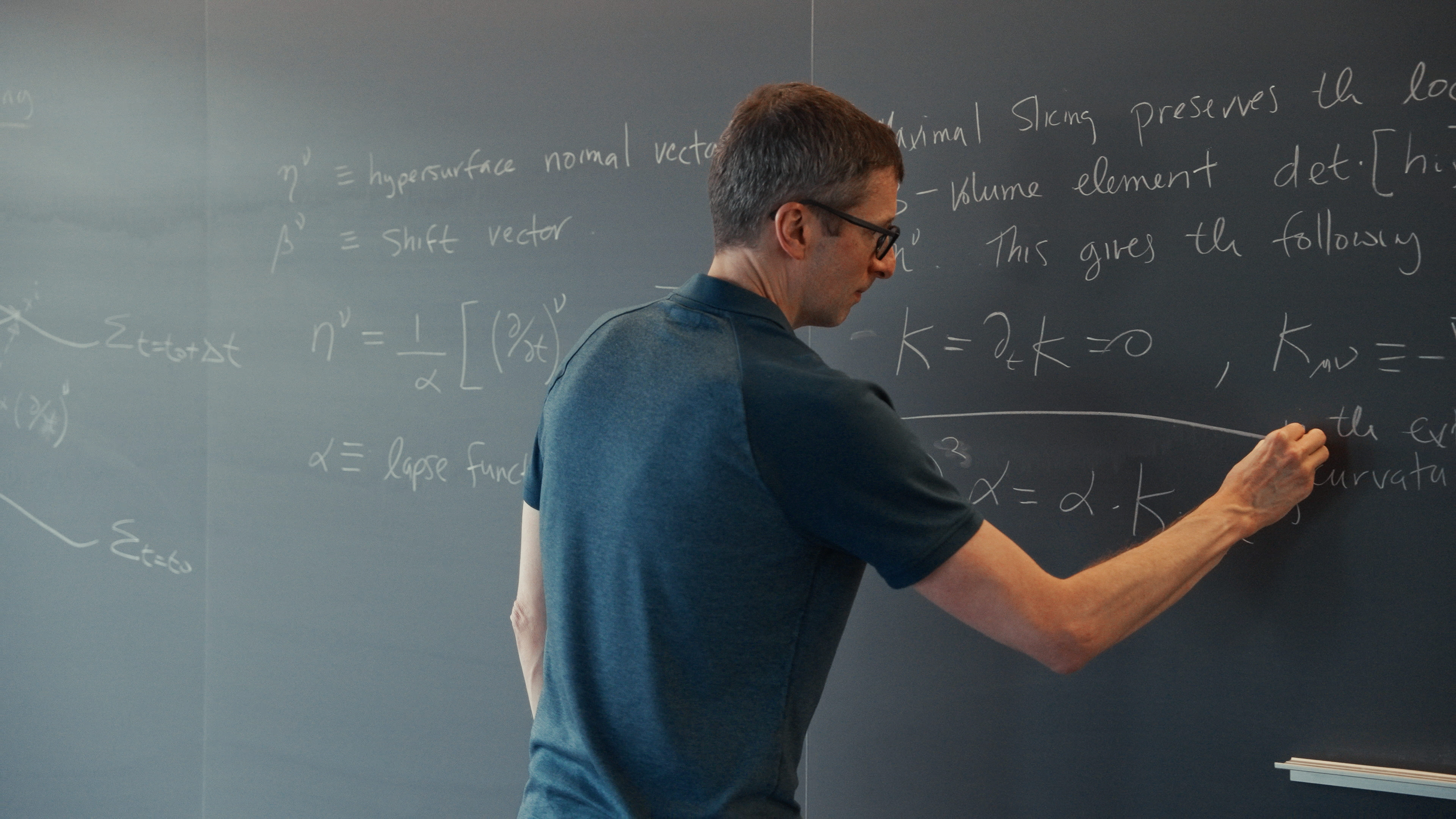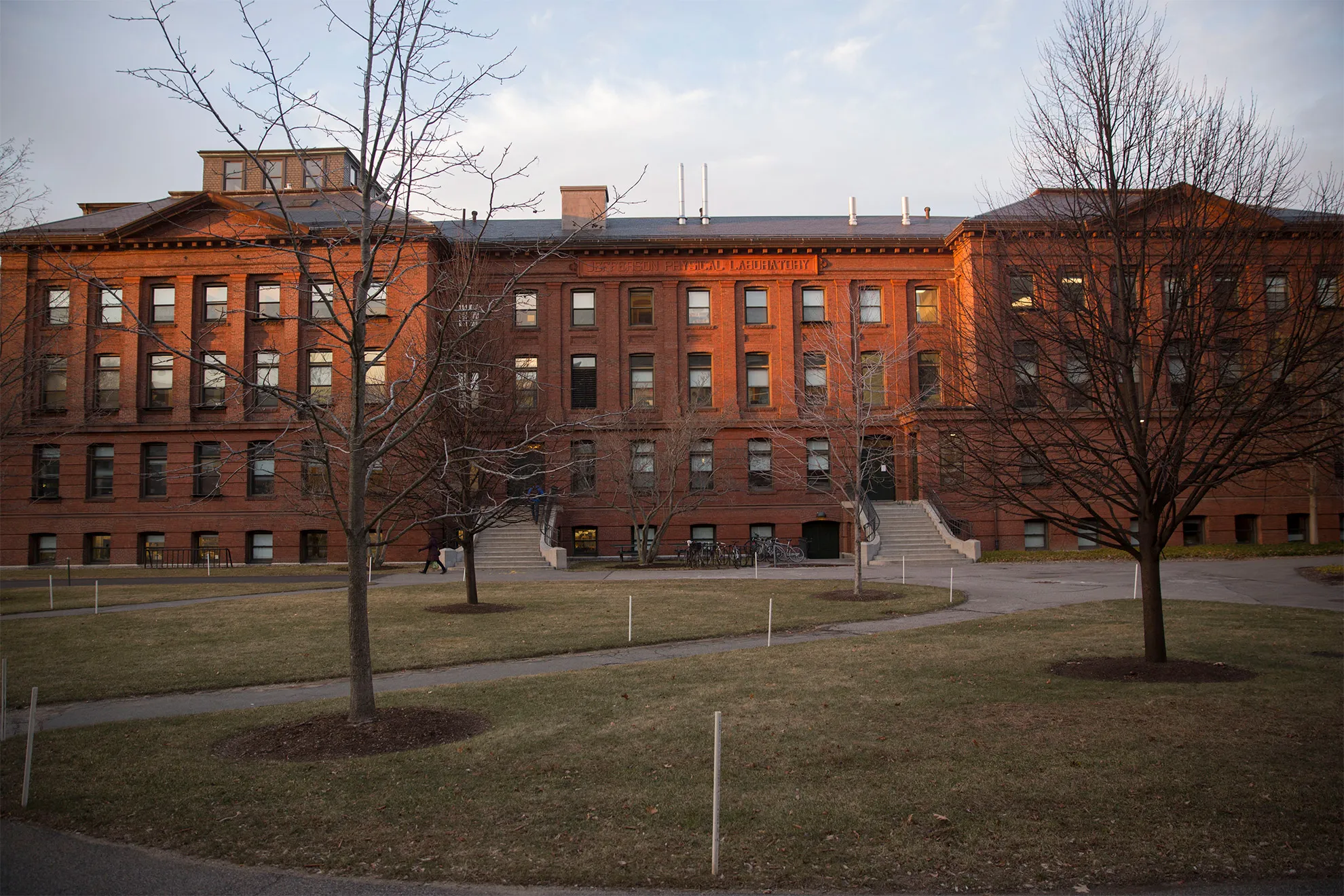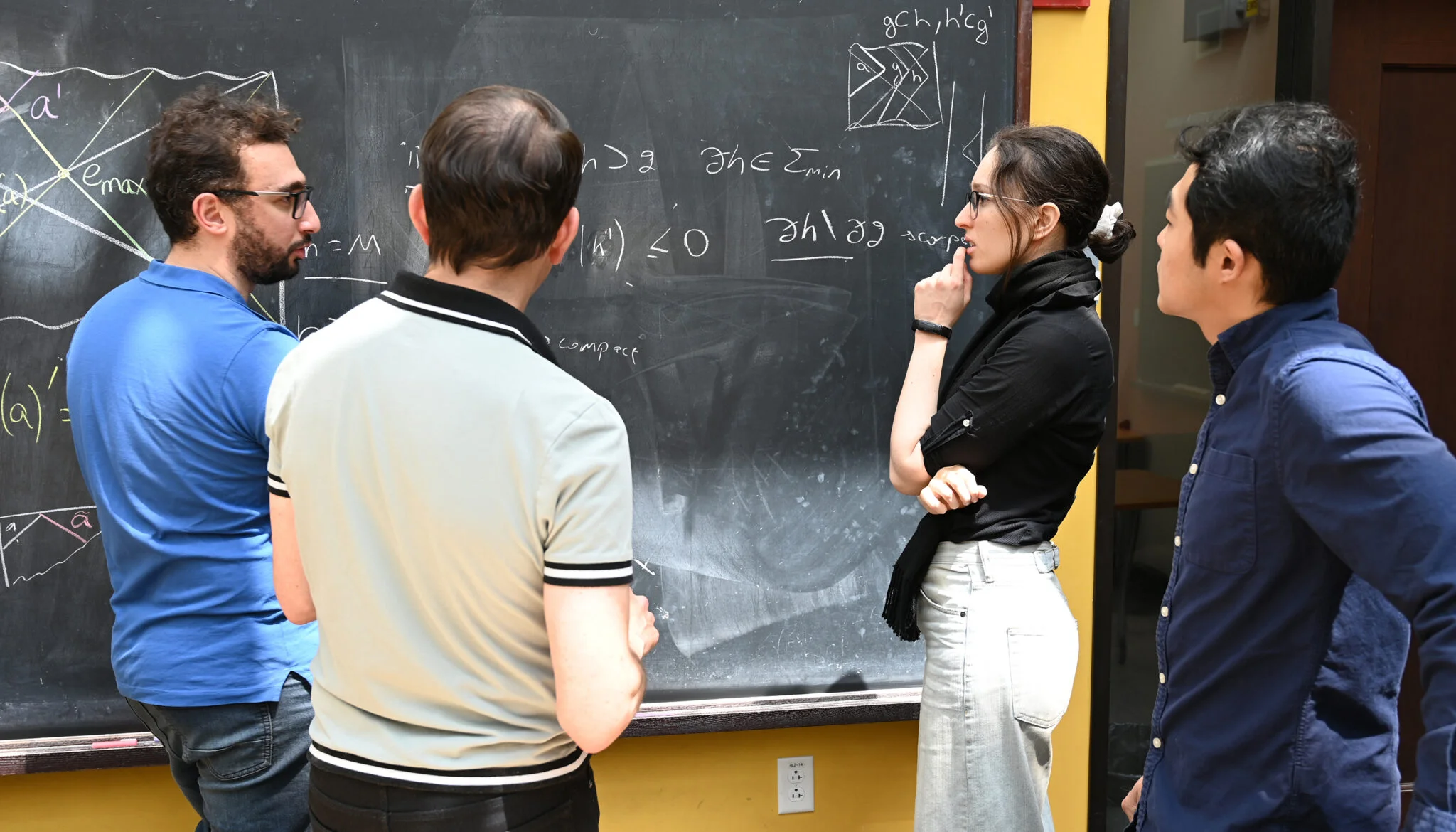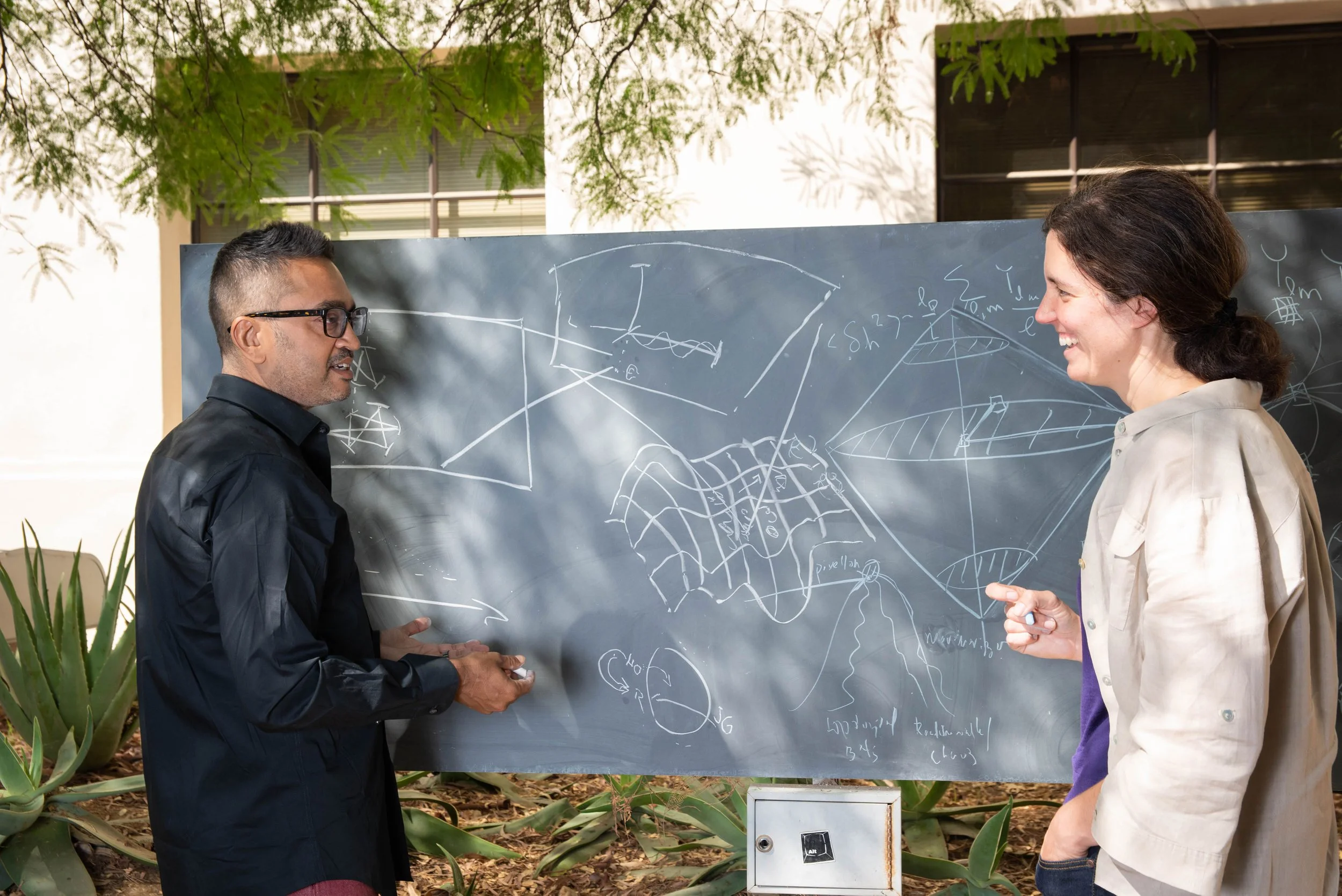



The new Leinweber Institutes and Forums for Theoretical Physics are a collaborative network of nine of the nation’s top physics research centers at the California Institute of Technology, Harvard University, Institute for Advanced Study, Massachusetts Institute of Technology, Princeton University, Stanford University, University of California, Berkeley, University of Chicago, and University of Michigan.
The Leinweber Foundation strives to support the physics research ecosystem in the United States and encourage collaboration within the physics research community.
Our funding supports faculty and graduate student research, graduate student and postdoctoral fellowship awards to Leinweber Physics Fellows, and collaboration through conferences, workshops, visiting scholars, and a network-wide convening every two years.










.webp)



Leinweber Physics Fellows at each of the nine institutions in the network pursue their own research interests and contribute to the research enterprise at their home institution. Fellows also have opportunities to collaborate more broadly across the network and gather together regularly, creating dynamic connections that generate momentum and make the Institutes and Forums collectively stronger and more impactful.

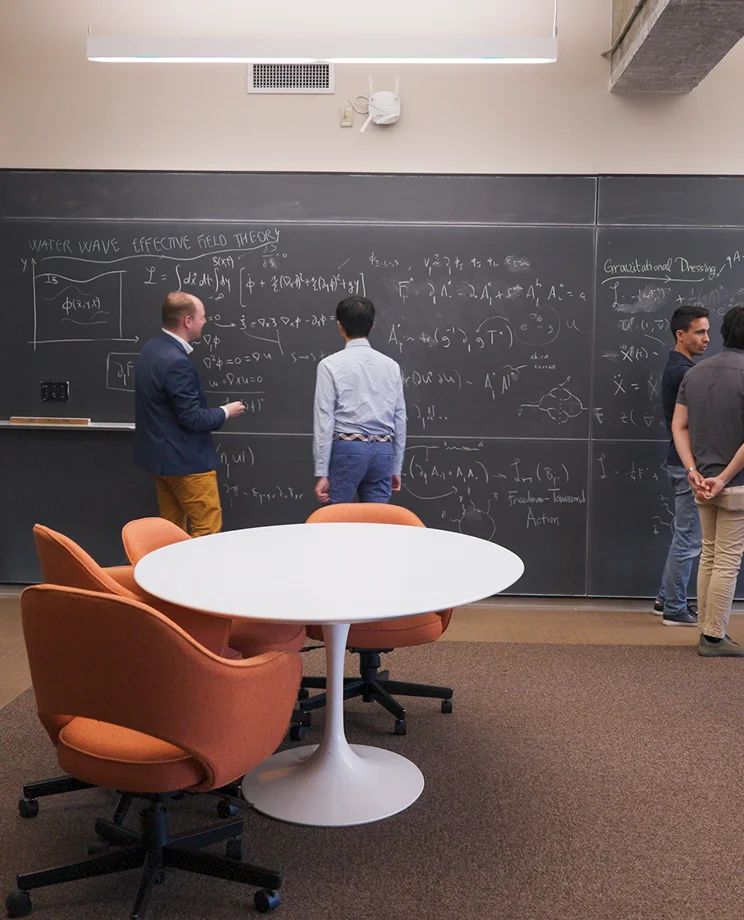
This Fellowship recognizes and empowers outstanding early-career scholars who demonstrate exceptional promise and commitment to advancing the frontiers of theoretical physics.
“Student quote”

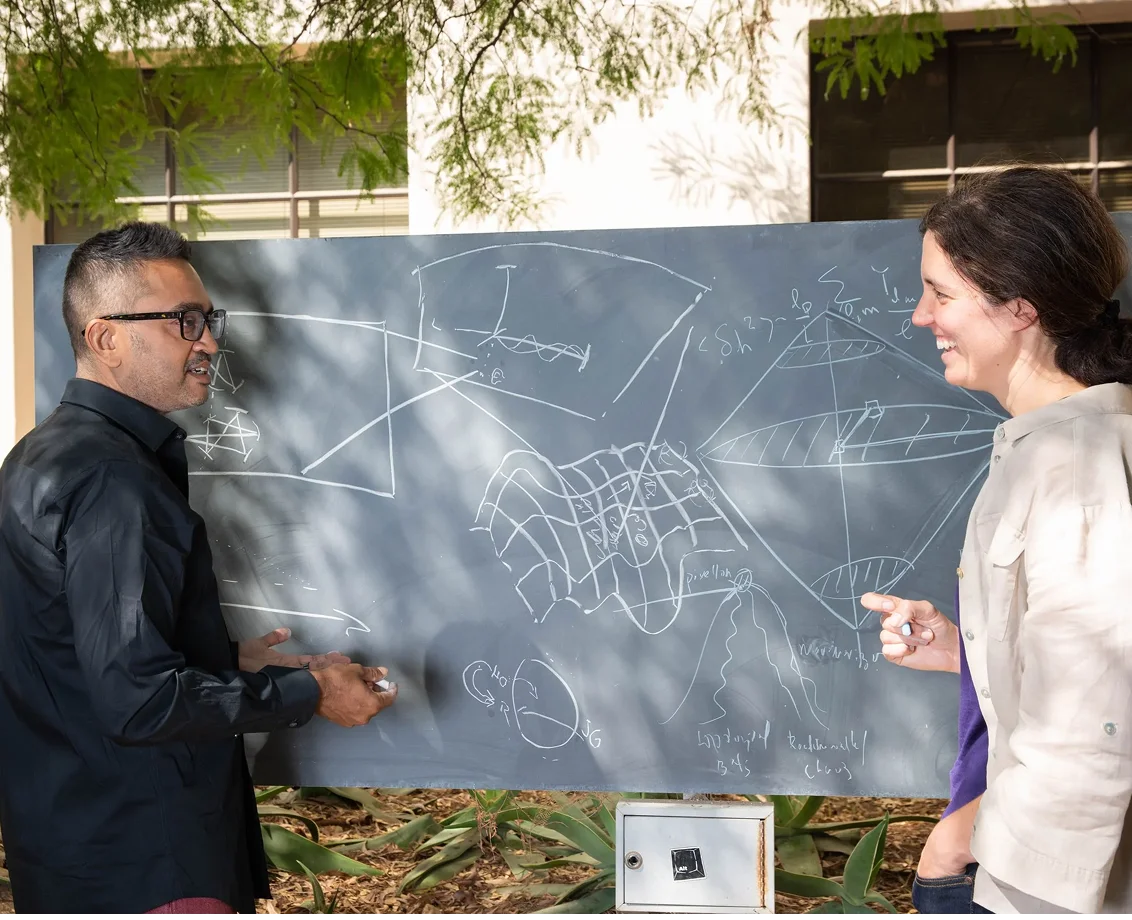
This Fellowship recognizes and supports exceptional PhD candidates, accelerating research and providing them opportunities to pursue the important questions challenging theoretical physics.
“Student quote”

The Leinweber Big Picture Collaboration brings together leading researchers from the Leinweber Institutes and Forums to tackle the most profound and challenging questions in theoretical physics. Convened every two years and hosted on a rotating basis by participating universities in the Leinweber Network, these gatherings foster deep collaboration, explore new ideas, and promote scientific innovation across institutions.
By uniting diverse perspectives and areas of expertise, the Leinweber Big Picture Collaboration aims to accelerate discovery and strengthen the broader theoretical physics research ecosystem in the United States.